

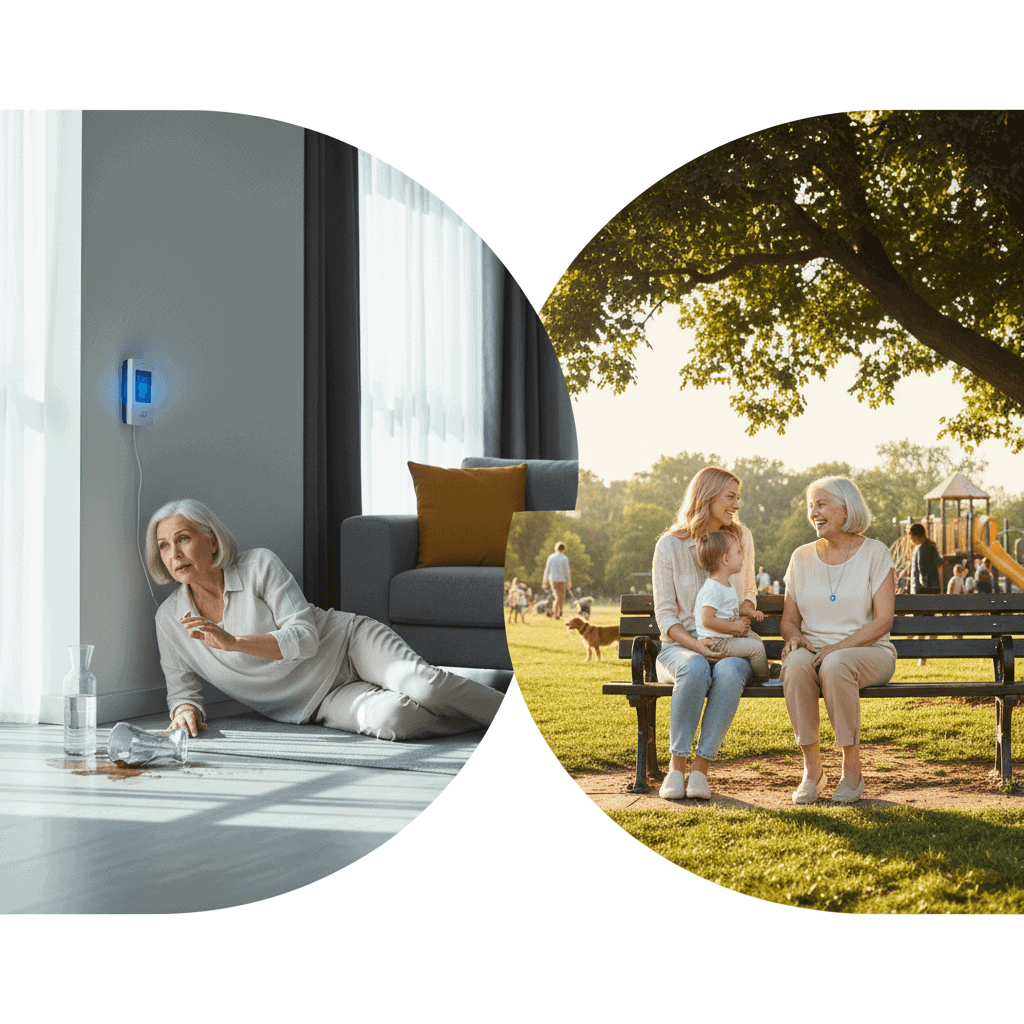
As we get older or care for elderly family members, safety becomes a primary concern. The possibility of falls, sudden health issues, or other emergencies worries many people. It really makes us think about ways to keep loved ones secure and independent in their own homes for as long as possible.
I have seen firsthand how these worries can affect families. Everyone wants peace of mind, knowing help is just a button press away. That is why I often hear people ask if medical alert systems are truly essential for senior safety.
Many believe these devices are a modern necessity. They offer a layer of protection that traditional care methods sometimes miss. This discussion will explore the true value and necessity of medical alert systems in today’s world.
Understanding Medical Alert Systems and How They Operate
Medical alert systems are personal safety devices designed to provide rapid assistance during an emergency. They work by connecting a user to a monitoring center or emergency contacts with a simple button press. These systems have become more common as technology makes them easier to use and more reliable. I have seen many models come and go, but the core idea remains the same.
The basic setup usually includes a base unit at home and a wearable button. This button can be a pendant or a wristband. When the user presses the button, it sends a signal to the base unit. The base unit then contacts the monitoring center through a phone line or cellular connection. A trained operator speaks to the user and assesses the situation quickly.
Features of Modern Medical Alert Devices
Modern systems offer more than just a call button. Many include fall detection technology, which automatically alerts the monitoring center if a fall occurs, even if the user cannot press the button. This feature is a game-changer because falls are a leading cause of injury for older adults. Some systems also have GPS tracking for mobile users, so help can find them anywhere. Others include medication reminders or activity monitoring. These extra features make the systems much more useful for daily life, and they add comfort to users and their families. They really show how much these devices have grown.
Identifying Who Truly Needs a Medical Alert System
Deciding if a medical alert system is essential involves looking at individual circumstances and risk factors. Not everyone needs one, but for many, it can be life-changing. I often suggest people consider these systems if certain conditions are present.
Older adults living alone are prime candidates. They might not have someone nearby to help if they fall or experience a medical emergency. People with chronic health conditions also benefit greatly. This includes heart disease, diabetes, or conditions that cause dizziness or mobility issues. A sudden health event could leave them unable to call for help themselves. Individuals recovering from surgery or a serious illness often find these systems invaluable too. Their risk of complications or falls can be higher during this recovery period, and a medical alert system provides an important safety net.
Recognizing Risk Factors and Potential Benefits
Beyond medical conditions, simple risk factors can point to a need. A history of falls is a huge indicator. If someone has fallen before, they are more likely to fall again. Weakness, balance problems, or difficulty getting up from a chair are also signs. People who feel isolated or have limited social contact also benefit. I have heard stories of people lying on the floor for hours or even days because they could not reach a phone. A medical alert system prevents these terrible situations, offering a direct line to assistance whenever it is needed. It provides a real sense of security.
The Tangible Benefits of Having a Medical Alert Device
The advantages of medical alert devices extend beyond just emergency response. They bring a suite of benefits that greatly improve the quality of life for seniors and their caregivers. I have witnessed how these systems create a profound shift in daily living for many.
One of the most significant benefits is the peace of mind it offers. Users feel more confident knowing they can get help fast, no matter what happens. This feeling of security reduces anxiety and lets them enjoy their independence more fully. Family members also experience less worry, and they know their loved one has protection even when they cannot be there. It removes a heavy burden from everyone involved. It allows them to live with less constant fear.
Faster Emergency Response and Increased Independence
Another key benefit is the speed of emergency response. When a person falls or has a medical crisis, every second counts. These systems ensure that medical professionals or emergency contacts are alerted immediately. This quick action can prevent minor issues from becoming major problems, and it can even save lives. I have seen how a fast response to a fall can prevent severe injuries and allow for quicker recovery. It really highlights the impact these systems have.
Finally, these systems help seniors maintain their independence. Many older adults want to stay in their own homes for as long as possible. A medical alert system makes this goal more reachable. It lets them live alone or with less direct supervision because help is always available. This independence improves their mental well-being and overall happiness. It is not just about safety, but about enabling a fulfilling life at home. This is a crucial aspect for many families. To learn more about common beliefs versus reliable data, you can look into medical alert system facts to guide your understanding.
Weighing the Costs Against the Life-Saving Value
When considering a medical alert system, the cost is often a big factor for families. It is natural to look at budgets and compare expenses. However, I always emphasize that the financial cost should be weighed against the immense value of safety and well-being. The initial sticker price or monthly fees can seem high to some, but it is important to see the bigger picture.
The cost of these systems varies widely. Basic models might have a lower monthly fee, while those with advanced features like fall detection or GPS tracking cost more. Installation fees or equipment purchase prices might also apply. Some companies offer discounts for annual payments or certain health plans. It is wise to shop around and compare different providers to find a plan that fits your needs and budget. But remember, this is an investment in safety.
Understanding the True Investment
Think about the alternative costs if an emergency happens without a system in place. An unassisted fall could lead to a serious injury, a long hospital stay, and extensive rehabilitation. These costs, both financial and emotional, usually far outweigh the expense of a medical alert system. A fall with delayed help can mean a longer recovery time and a greater risk of permanent disability. So, when we look at it this way, a medical alert system is not just an expense. It is an investment in preventing much larger and more painful costs down the line. It protects health and finances in a very real way.
Different Types of Medical Alert Systems Available Today
The market for medical alert systems has grown quite a bit. There are many options to fit different lifestyles and needs. From basic setups to highly advanced devices, understanding the choices helps in making an informed decision. I have seen systems evolve from simple landline connections to complex mobile networks.
The most common type is the **home-based system**. This system includes a base unit that connects to a phone line or a cellular network. Users wear a waterproof button, usually a pendant or wristband, that works within a certain range of the base unit. These are great for people who spend most of their time at home. They provide reliable coverage within the house and yard. They are simple to use and are often the most affordable option. I find them perfect for individuals with limited outdoor activities.
Mobile Systems and Advanced Features
For those who are more active and spend time outside the home, **mobile medical alert systems** are a better fit. These devices typically include GPS tracking and cellular connectivity. They work almost anywhere there is cell service, allowing users to get help whether they are at the grocery store, on a walk, or visiting friends. This freedom gives users and their families immense peace of mind. I often recommend mobile units for active seniors who want to maintain their independent lifestyles without boundaries. They provide safety on the go.
Some systems, both home-based and mobile, offer **fall detection**. This technology uses sensors to detect if a person has fallen and automatically alerts the monitoring center, even if the user is unconscious or unable to press their button. This feature is very helpful for those at high risk of falling. Another useful feature is two-way communication directly through the pendant or wristband. This allows the user to speak with the monitoring center operator without needing to be near the base unit. These advancements make medical alert systems more comprehensive and reliable than ever before. They really adapt to modern needs.
Making the Right Choice for Your Loved Ones
Choosing the best medical alert system can feel like a big decision. It involves considering many factors to ensure the system truly meets the user’s specific needs. I always advise families to approach this choice carefully, thinking about daily routines and potential risks. The right system offers protection and supports independence effectively.
Start by evaluating the user’s activity level. Do they stay mostly at home, or do they go out frequently? If they are homebound, a simple home-based unit might be enough. For those who enjoy errands, walks, or social outings, a mobile system with GPS tracking provides essential coverage away from home. Also, think about their comfort with technology. Some systems are very straightforward, with just one button to press. Others have more features and might require a bit more interaction. It is important to match the system’s complexity to the user’s ability. We want them to feel confident, not confused.
Considering Specific Needs and Support
Consider any specific health conditions. For someone prone to falls, a system with automatic fall detection is a smart investment. This feature can make a critical difference if they cannot press the button after a fall. Also, think about who will be listed as emergency contacts. Some systems allow custom contact lists, so both family and medical professionals are notified. It is also good to check if the monitoring center operates 24/7 with trained staff. A reliable and responsive monitoring service is the backbone of any effective medical alert system. Getting this right means reliable support when it truly matters.
Conclusion: Making an Informed Decision for Senior Safety
After looking at how medical alert systems work, who benefits most, and the different types available, it is clear these devices are more than just a convenience. They are an essential tool for maintaining safety and independence for many older adults. The peace of mind they provide to users and their families is invaluable, and the potential for faster emergency response can save lives. While costs are a consideration, the protection and security offered often far outweigh the financial investment. We have seen how these systems evolve with technology, offering everything from basic home coverage to advanced mobile units with fall detection. Each option serves a unique need, making it possible to find a suitable solution for almost any situation. I encourage everyone to consider these systems seriously for their loved ones. Do your research, understand the features, and compare providers to find the perfect fit. Taking this step can greatly improve safety and help seniors continue living independently in their own homes, which is a goal many cherish deeply.


